

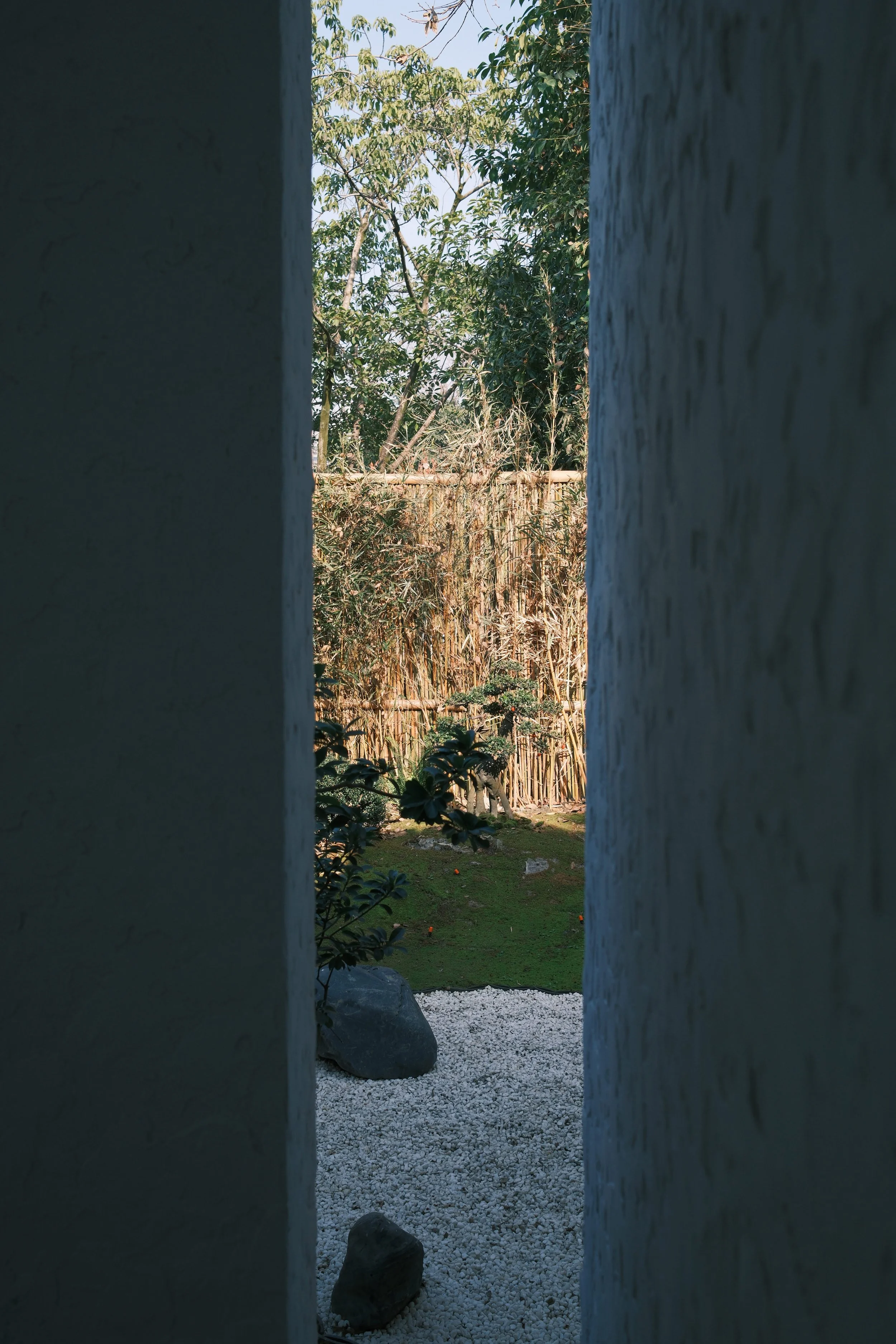
About
Us.
Dzin architects is an architecture and design practice founded in Shanghai in 2024.
The name Dzin derives from འཛིན (’dzin), a Tibetan word meaning to hold, to sustain, and to carry forward. It comes from the founder’s Tibetan name, ཏིང་འཛིན། (Ting ’dzin).
For us, holding does not mean preserving the past unchanged. It means staying attentive to what is worth carrying forward, while allowing it to evolve through contemporary life.
Our practice is grounded in the belief that architecture begins with place. Every project is shaped by its particular conditions: the client’s needs, the physical character of the site, climate, materials, local craftsmanship, social relationships, history, and cultural memory. These conditions are not a predetermined style, but an open field of possibilities from which architecture can emerge.
We are influenced by the ideas of Critical Regionalism, but understand regionalism as something broader than the reproduction of local forms or cultural symbols. Architecture should not simply imitate the appearance of a place. Instead, it should critically interpret the multiple layers that constitute it and translate them into contemporary spatial experiences.
This approach is particularly important when working with culture.
We do not seek to reproduce culture, but to translate it.
Cultural continuity does not depend on the repetition of recognizable forms. A culture remains alive when its values, knowledge, crafts, and ways of living are allowed to enter new contexts and acquire new meanings.
We therefore believe that architecture should leave room for interpretation.
A space does not need to explain a culture completely, nor should it attempt to transport people literally into another time or place. Too much representation can turn culture into an image, a spectacle, or a fixed identity. Instead, we seek to create spaces that evoke, suggest, and invite imagination — spaces through which people can approach a culture without having its meaning predetermined for them.
For us, architecture responds to place, while culture remains open to interpretation.
Through architecture, interiors, objects, materials, and craft, Dzin architects explores the space between inheritance and contemporary life — not to preserve culture as something static, but to create conditions in which it can continue to evolve.
Team
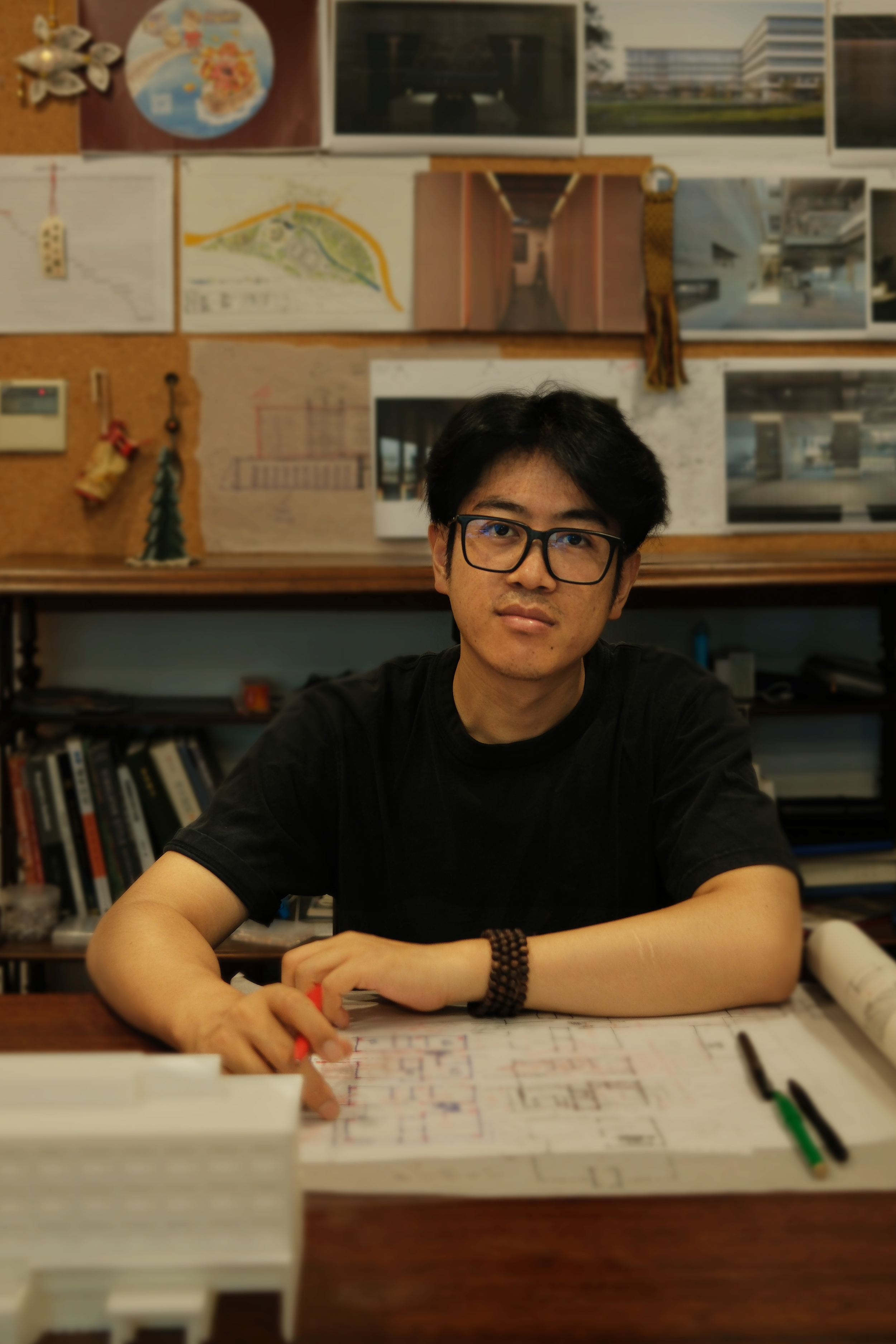
Architect / Founder